
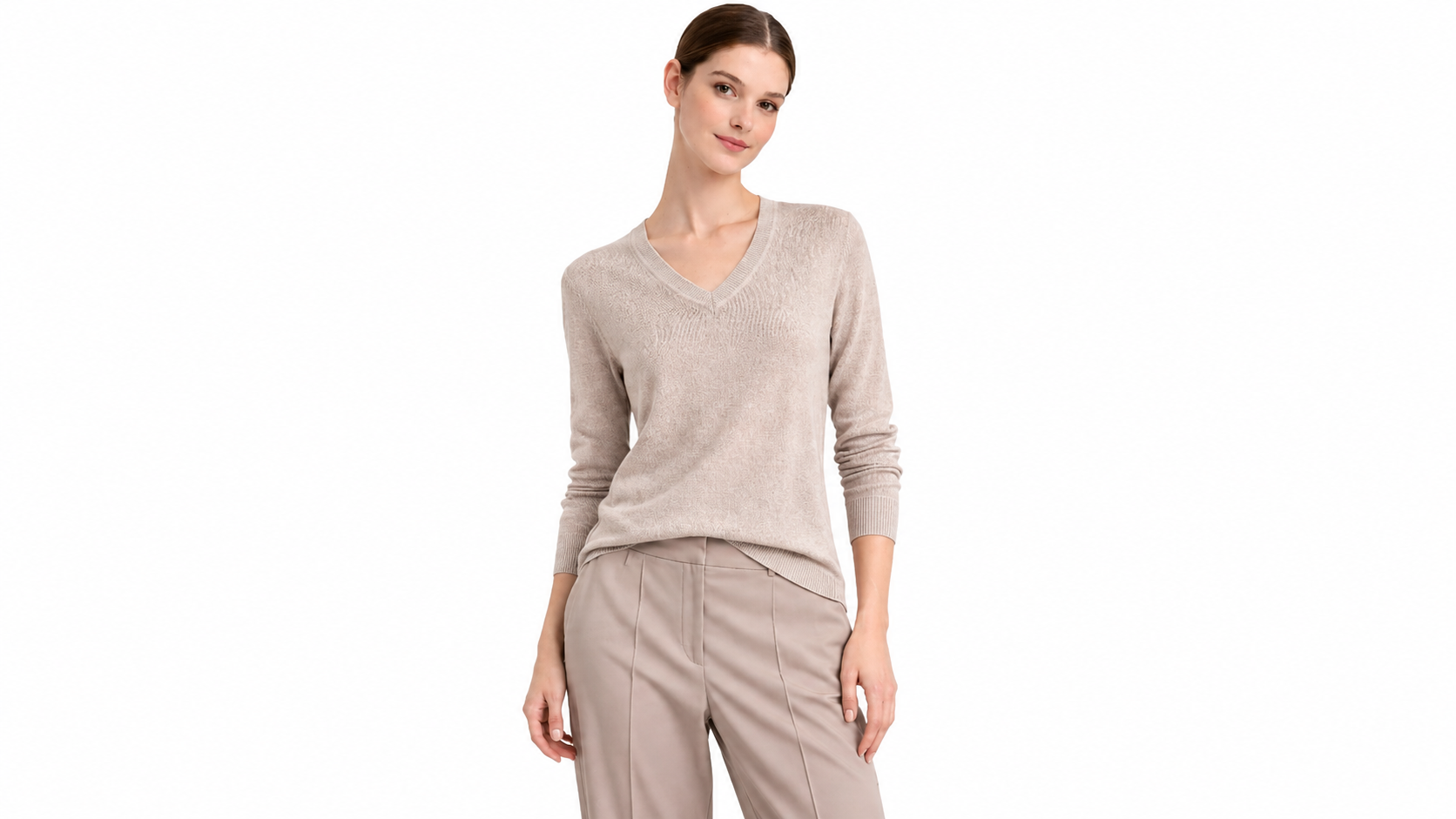
Layering is one of the easiest ways to create stylish, comfortable outfits throughout the year. The right combination of clothing can add warmth, introduce texture, and make a simple outfit look more polished. Among the many knitwear options available, women’s V-neck cashmere sweaters are especially useful because they combine a soft feel with a neckline that works well over shirts, blouses, and lightweight tops.
Cashmere is known for its warmth, softness, and lightweight construction. Unlike some heavier knitwear, a well-made cashmere sweater can provide insulation without making an outfit feel bulky. The V-neck design adds another practical advantage by creating space around the neckline, allowing the layer underneath to remain visible.
However, not every V-neck cashmere sweater is equally suitable for layering. Neckline depth, sleeve shape, fabric weight, body length, and overall fit all influence how comfortably a sweater works with other garments. Understanding these details can help you choose a design that suits your wardrobe and provides more styling options.
Why V-Neck Cashmere Sweaters Are Ideal for Layering
V-neck sweaters have a distinctive shape that makes them easy to combine with different clothing styles. Their open neckline creates a natural space for shirt collars, blouse details, and delicate accessories. This makes them suitable for both casual outfits and more refined combinations.
Cashmere enhances this versatility because it offers warmth without necessarily requiring thick, heavy fabric. A lightweight cashmere sweater can be worn under a blazer, coat, or jacket, while a medium-weight option may work well as the main layer on cooler days.
Another advantage is adaptability. A neutral V-neck sweater can be paired with several items already in your wardrobe, including jeans, tailored trousers, skirts, and dresses. Instead of purchasing separate sweaters for every occasion, you can use one well-fitting design to create multiple outfits.
The key is selecting a sweater that complements your preferred layers rather than restricting movement or creating unnecessary bulk.
Choosing the Right V-Neck Depth
The depth of the neckline determines which garments can be comfortably worn underneath and how the finished outfit looks. Choosing the right opening is particularly important when layering is a priority.
Shallow V-Neck Sweaters
A shallow V-neck provides more coverage around the upper chest and creates a neat, understated appearance. It works well for women who prefer a conservative neckline or want a sweater that feels similar to a crew neck while retaining the distinctive V shape.
This style pairs naturally with button-down shirts, especially when you want a small portion of the collar to remain visible. It can also work over a simple camisole or lightweight top.
Shallow V-necks are particularly useful for office outfits and everyday wear because they do not require much adjustment. However, check that the neckline provides enough room for the collar of your chosen shirt. A very narrow opening may cause larger collars to bunch beneath the knitwear.
Medium V-Neck Sweaters
A medium-depth V-neck is one of the most versatile choices for layering. It offers enough space to display a shirt collar or the neckline of a blouse without exposing too much of the upper chest.
This design can transition easily between professional and casual settings. Wear it over a crisp shirt for work, combine it with a fitted long-sleeve top for everyday activities, or style it over a lightweight dress for additional warmth.
Medium V-necks also provide flexibility when choosing accessories. A simple necklace can sit naturally within the opening, while a scarf can add warmth without creating too much fabric around the neck.
For a wardrobe that needs to accommodate different outfits, a medium-depth V-neck is a practical starting point.
Deep V-Neck Sweaters
Deep V-neck sweaters create a more open neckline and provide additional space for displaying layered tops and accessories. They can add a distinctive touch to an outfit, particularly when worn over a fitted blouse or a high-neck top.
The deeper opening requires more consideration because the underlying garment becomes a more noticeable part of the outfit. A lace-trimmed camisole, fitted T-shirt, or fine-knit top can work well, depending on the occasion and personal preference.
For professional environments, consider whether the neckline provides the coverage you want. For casual wear, a deeper V-neck can offer more freedom to experiment with different colors, textures, and accessories.
Selecting the Best Cashmere Weight for Layering
The thickness of a sweater has a direct effect on comfort and versatility. When choosing cashmere for layering, consider the weather, the garments you plan to wear over it, and how much warmth you need.
Lightweight Cashmere for Everyday Outfits
Lightweight cashmere is a useful choice when you want a sweater that fits comfortably beneath a blazer, trench coat, or tailored jacket. Its relatively fine construction can reduce bulk around the shoulders, sleeves, and waist.
This type of sweater is suitable for changing temperatures because it can be added or removed without significantly changing the structure of an outfit. It also works well in offices and indoor environments where heavy knitwear may feel too warm.
When selecting lightweight cashmere, check the fabric description and construction rather than relying on product photographs alone. Different manufacturers may use different terms to describe sweater thickness.
Medium-Weight Cashmere for Cooler Weather
Medium-weight cashmere provides more substantial warmth while remaining suitable for many layering combinations. It can be worn over a fitted shirt or blouse and paired with a coat when temperatures drop.
This weight often works well as a standalone garment during mild weather. You can wear it with tailored trousers, dark denim, or a skirt without needing several additional layers.
Pay attention to the fit of your outerwear. A medium-weight sweater should sit comfortably beneath a jacket without pulling across the chest or restricting arm movement.
Chunky Cashmere for Relaxed Layering
Chunkier cashmere sweaters create a textured, relaxed appearance and can be useful in colder conditions. However, their extra volume may make them less convenient beneath fitted jackets.
If you prefer a thicker knit, consider wearing it as the outer layer over a slim-fitting top. This approach keeps the outfit comfortable while allowing the sweater's texture to remain visible.
The best choice depends on your climate, wardrobe, and personal style. Lightweight and medium-weight designs generally offer greater flexibility when layering is the main priority.
How to Layer a V-Neck Cashmere Sweater With Different Tops
The garments worn underneath a sweater can change its appearance significantly. Choosing complementary fabrics and necklines helps create a balanced outfit.
Pairing With a Button-Down Shirt
A button-down shirt is a classic choice for a V-neck cashmere sweater. The shirt collar adds structure, while the soft knitwear creates a more relaxed finish than a formal jacket alone.
For a timeless combination, wear a white or pale blue shirt beneath a navy, grey, beige, or black sweater. Add tailored trousers for work or dark jeans for a smart casual outfit.
Choose a shirt that fits comfortably across the shoulders and chest. Excess fabric can gather beneath the sweater, creating wrinkles that affect both comfort and appearance.
You can leave the collar outside the neckline for a traditional layered look, provided it sits neatly. The shirt cuffs may also be visible at the wrists for a coordinated finish.
Styling With a Lightweight Blouse
A blouse can make a cashmere sweater feel more feminine or refined, depending on the cut and fabric. Silk, cotton, and other lightweight materials are useful because they can sit smoothly beneath knitwear.
A blouse with a subtle collar, soft neckline, or small decorative detail can add interest without making the outfit feel crowded. Neutral sweaters are especially useful because they allow patterned or colorful blouses to stand out.
Avoid pairing a very thick blouse with a fitted sweater if the extra fabric creates discomfort around the arms or torso. The goal is to maintain a smooth, comfortable fit.
Wearing a Fitted T-Shirt
For casual layering, a fitted T-shirt provides a simple foundation. It adds coverage and can introduce a subtle color contrast beneath the V-neck.
A white T-shirt beneath a charcoal sweater creates a clean, classic combination. A black or tonal top can produce a more understated result.
Choose a T-shirt with a neckline that complements the sweater. A crew neck may be visible through a shallow V-neck, while a lower neckline may work better with a deeper design.
Layering Over a Dress
A V-neck cashmere sweater can also be worn over a dress to create a different silhouette. This combination is useful during transitional weather when a dress alone does not provide enough warmth.
A lightweight sweater works particularly well with a simple shirt dress or a dress made from a smooth fabric. You can wear the sweater loosely over the dress or gently tuck the front hem if the fabric and fit allow.
Make sure the sweater's length works with the dress. A well-proportioned combination can look intentional, while excessive fabric around the waist may create unwanted bulk.
Choosing the Right Fit and Length
Even high-quality cashmere may not work well for layering if the sweater is poorly fitted. A suitable design should allow enough room for an additional garment without looking oversized.
Check the shoulder seams, chest width, sleeve length, and body length. The sweater should move naturally when you reach forward, sit down, or lift your arms. Pulling around the shoulders or chest may indicate that the fit is too small.
For layering beneath jackets, a relatively streamlined cut is often easier to manage. If you prefer a relaxed silhouette, make sure your outerwear has enough room to accommodate the additional fabric.
Body length also matters. A sweater that is too long may bunch around the waist, while a very short design may expose the layer underneath whenever you move. Compare the garment measurements with a sweater you already own and find comfortable.
If you are exploring different neckline styles, https://cashmeresweater.shop/cashmere-v-neck-sweater is a useful starting point for comparing V-neck cashmere sweater options.
Best Colors for a Versatile Layering Wardrobe
Color selection can make layering easier because some shades coordinate with a wider range of clothing.
Neutral colors such as black, navy, grey, cream, and camel are dependable options. A navy cashmere sweater works well with white shirts, pale blue blouses, and denim. Grey can complement both cool and warm colors, while cream offers a softer contrast with darker layers.
If your wardrobe already contains many neutral pieces, consider adding a muted green, burgundy, or dusty blue sweater. These shades introduce variety without making outfit coordination difficult.
Think about the colors you wear most often before purchasing a new sweater. A shade that complements several existing garments will usually provide more styling opportunities than one that only works with a single outfit.
Caring for Cashmere to Maintain Its Shape
Proper care helps preserve the softness, fit, and appearance of cashmere. Always follow the care label because washing recommendations can vary according to the yarn, knit construction, and garment finish.
Use a gentle washing method suitable for the sweater and avoid excessive heat or aggressive handling. When hand-washing is recommended, use an appropriate detergent and avoid twisting the fabric to remove water.
Dry the sweater flat on a clean towel, reshaping it gently while damp. Hanging wet cashmere may stretch the shoulders and body because the fabric becomes heavier when saturated.
Store the sweater folded rather than hanging it for long periods. This helps reduce stretching around the neckline and shoulders. Keep it clean and dry before storage, and use suitable precautions against clothing moths.
With consistent care, a good cashmere sweater can remain a useful part of your wardrobe for many seasons.
Common Layering Mistakes to Avoid
A few simple adjustments can improve the comfort and appearance of layered outfits.
- Combining too many thick fabrics. Heavy shirts, chunky sweaters, and fitted jackets can restrict movement. Use lighter layers when possible.
- Ignoring neckline compatibility. Make sure the shirt or top underneath works with the depth and shape of the V-neck.
- Choosing the wrong size. A tight sweater may pull over the underlying garment, while an oversized design can create unnecessary bulk.
- Overlooking sleeve comfort. Fabric gathering around the upper arms can make layering uncomfortable, even when the body fit seems correct.
- Using too many competing colors. Start with complementary shades and introduce stronger colors or patterns gradually.
Considering these details before getting dressed can make a layered outfit look more natural and feel more comfortable throughout the day.
Conclusion
The best women's V-neck cashmere sweaters for layering combine suitable neckline depth, comfortable fit, appropriate fabric weight, and versatile color choices. Lightweight cashmere works particularly well beneath jackets and blazers, while medium-weight designs offer a useful balance of warmth and flexibility. Chunkier sweaters are better suited to relaxed outfits where the knitwear can remain the main layer.
A shallow V-neck creates a covered, classic appearance, while a medium opening provides flexibility for shirts and blouses. A deeper neckline offers more room for styling but requires greater attention to the layer underneath.
By considering how a sweater fits with your existing clothes, you can choose cashmere knitwear that works across different occasions and seasons. A well-selected V-neck sweater offers more than warmth. It provides a practical foundation for creating comfortable, polished outfits with less effort.